Blog
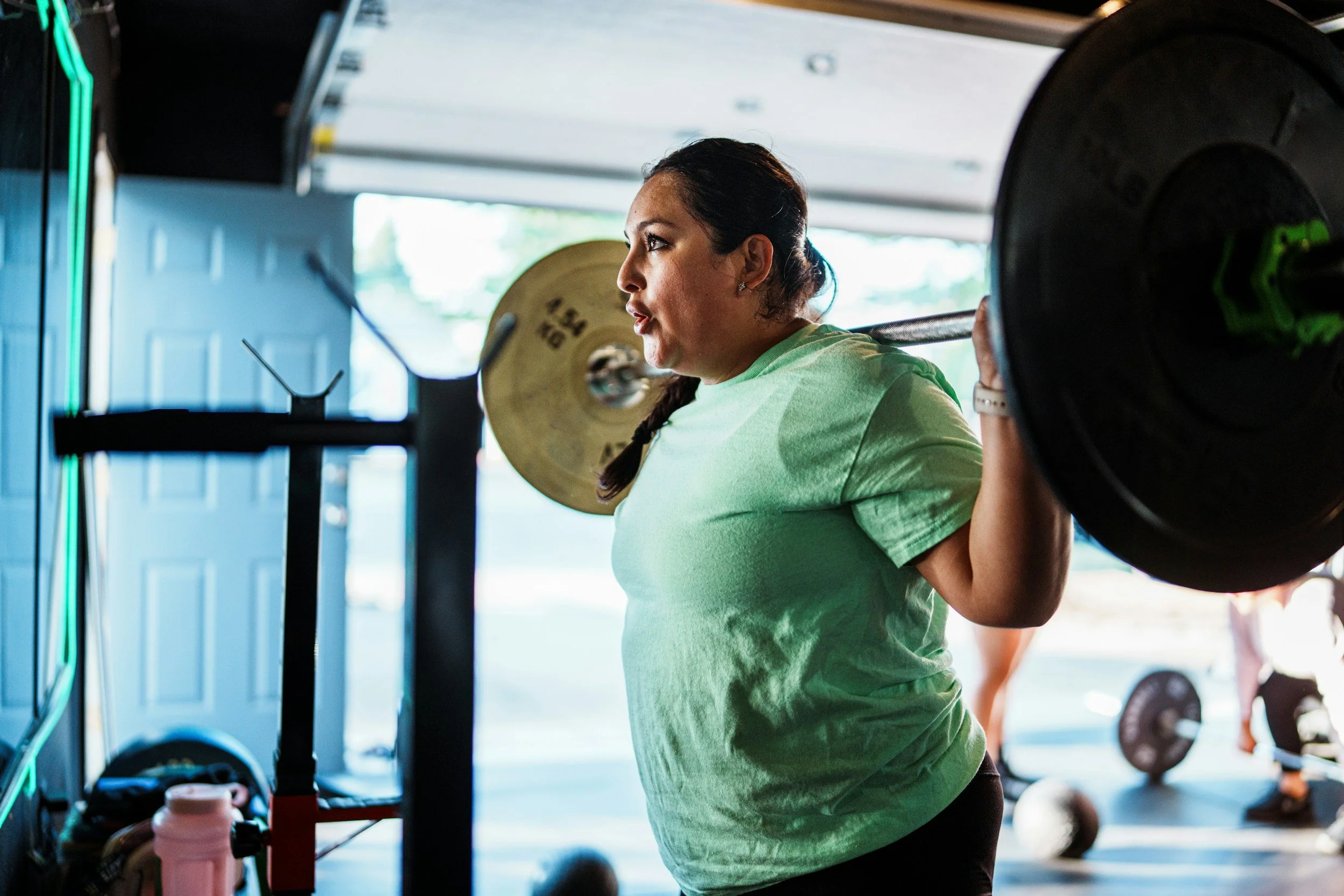
Prolapse - From rehab to performance: What women need after pelvic floor physio
I have prolapse. Now what?
Can I run?
Can I lift weights?
Should I avoid jumping?
What if I feel pressure or heaviness when I exercise?
Am I making my prolapse worse?
Women are talking more openly about pelvic organ prolapse and incontinence, and that is a huge step forward.
But I think we've created another problem.
Women are learning they have options. They're finding pelvic health physiotherapy. They're learning about pelvic floor exercises, breathing, pressure management and pessaries.
But too often, the advice stops at:
Don't do anything that causes symptoms.
And if running causes heaviness?
Stop running.
If lifting weights makes you feel pressure?
Don't lift as heavy.
If jumping makes you leak?
Don't jump.
But what if, instead of spending our lives trying to stay below that symptom threshold, we asked a different question:
Can we move the threshold?
That's what I discussed with physical therapist Caroline Packard, founder of Connect Pelvic Floor Fitness, in Episode 131 of The Pelvic Floor Project.

Pregnancy and Postpartum Exercise: It's Time to Move Past “Just Be Careful”
For generations, the message around exercise during pregnancy and after birth has largely been one of caution.
Don’t lift too much.
Don’t do abdominal exercises.
Don’t run or jump.
Be careful.
Wait until six weeks postpartum before you start exercising again.
And to be fair, there was a reason for that: we didn't have much research.
When evidence is limited, healthcare tends to err on the side of caution. But the problem is that many of those cautious recommendations have stuck around even as the research has changed.
And the research has changed.
In Episode 130 of The Pelvic Floor Project, I spoke with Dr. Margie Davenport, a professor at the University of Alberta and one of Canada's leading researchers in pregnancy and postpartum physical activity.
Her message was clear:
Exercise during pregnancy isn't simply something that is “okay” to do. It can be an important part of supporting the health of both mom and baby.

Beyond surviving: What to know about bladder, bowel, sexual health & menopause before pelvic cancer treatment
When you are diagnosed with pelvic cancer, the immediate goal is understandably clear: treat the cancer.
Appointments, scans, surgery, radiation and chemotherapy can quickly take over. There is an enormous amount of information to absorb, often at a time when simply getting through the next day feels like enough.
But eventually, treatment ends.
And for many people who have been treated for a gynecological or pelvic cancer, another set of questions begins:
Why am I suddenly going to the bathroom all the time?
Why does sex hurt?
Why does my vagina feel different?
Why am I leaking urine or stool?
Why am I so exhausted?
Is it safe to exercise?
Will I ever feel like myself again?

Erectile Dysfunction (Part 2): When the Problem Isn’t Just Physical
When men experience erectile dysfunction (ED), the first assumption is often that something is physically wrong.
Maybe it's low testosterone. Maybe it's blood flow. Maybe it's age. Maybe something isn't working the way it should.
And sometimes there is a medical contributor. That's why a medical assessment is an important part of evaluating erectile dysfunction.
But erections don't happen in isolation from the rest of you.
Your nervous system, stress levels, relationships, beliefs about sex, past experiences, expectations, attention, and ability to relax can all influence erectile function.
In Part 1 of this series, I spoke with urologist Dr. Chris Bitcon about the medical considerations associated with erectile dysfunction.
For Part 2, I sat down with Justin Paulson, a registered clinical counsellor, couples counsellor, and clinical sexologist who works extensively with sexual concerns, including erectile dysfunction and performance anxiety.

Erectile Dysfunction (Part 1): Why it happens and treatment options
Erectile function depends on communication between multiple systems in the body, including:
The brain
The nervous system
Blood vessels
Hormones
Emotional health
The pelvic floor muscles
In a recent conversation with Kelowna-based urologist, Dr. Chris Bitcon, we explored the medical side of erectile dysfunction (ED), how erections actually work, and why ED is rarely caused by just one thing.
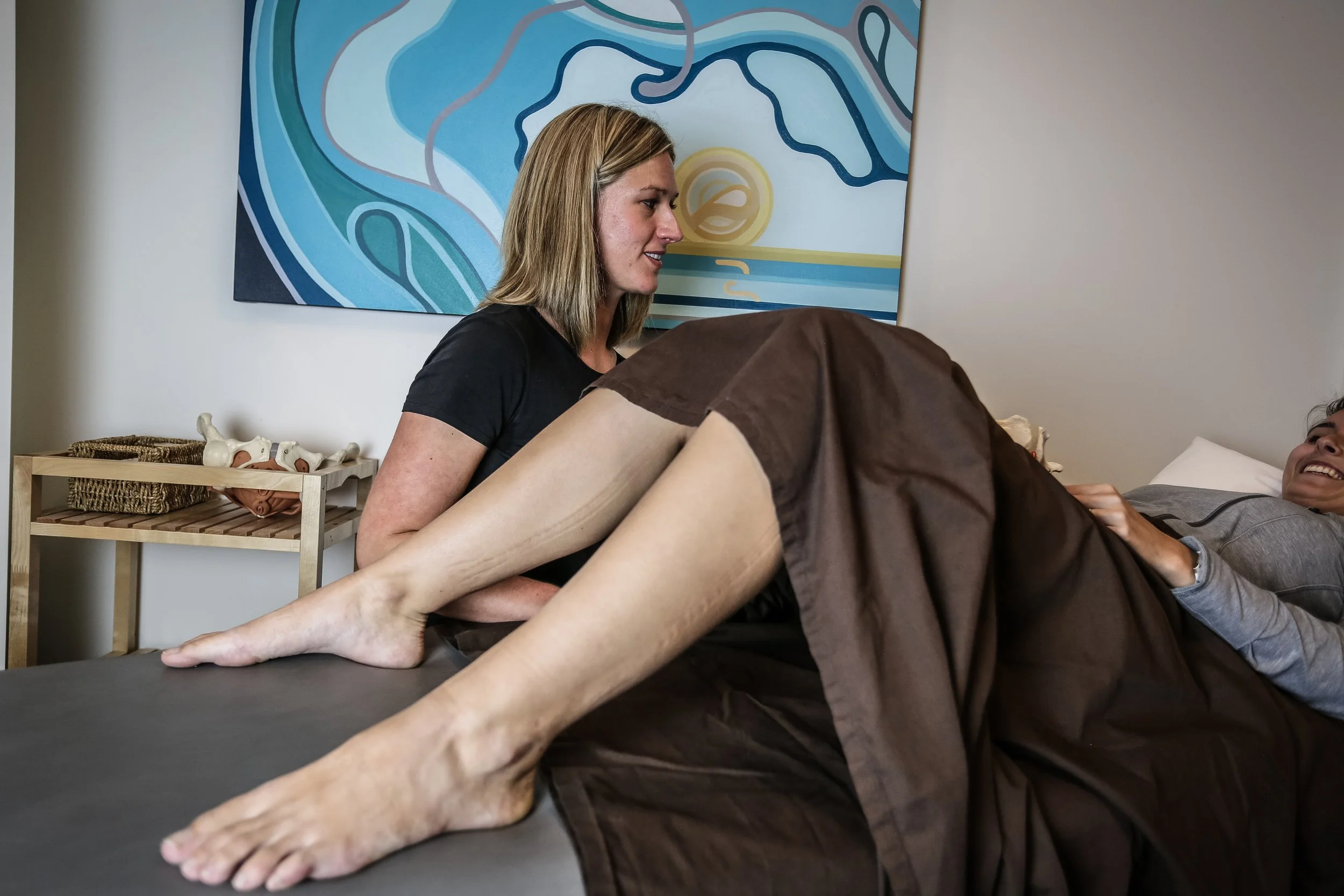
What Happens During a Pelvic Floor Physio Appointment? (And Do You Have to Have an Internal Exam?)
If you’ve ever considered seeing a pelvic health physiotherapist, you’ve probably wondered:
“Will I have to have an internal exam?”
For some people, the idea sparks curiosity. For others, it feels intimidating—or even scary.
Let’s walk through what actually happens in an appointment.

Understanding Bladder and Bowel Changes in Neurological Conditions
When we think about neurological conditions like Stroke, Multiple Sclerosis, or Parkinson’s disease, symptoms like mobility challenges, tremors, or fatigue often come to mind first.
But there’s another side that doesn’t get talked about nearly enough: bowel and bladder function.